AINN
Get a Quote
AINN
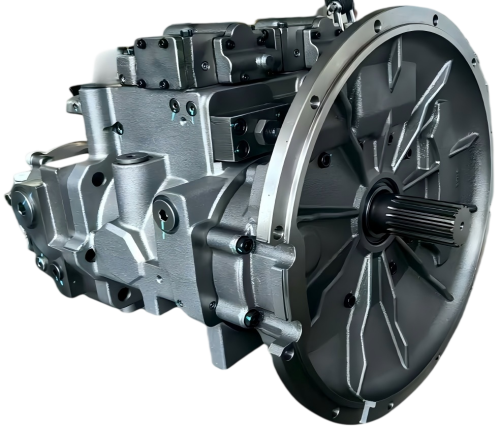
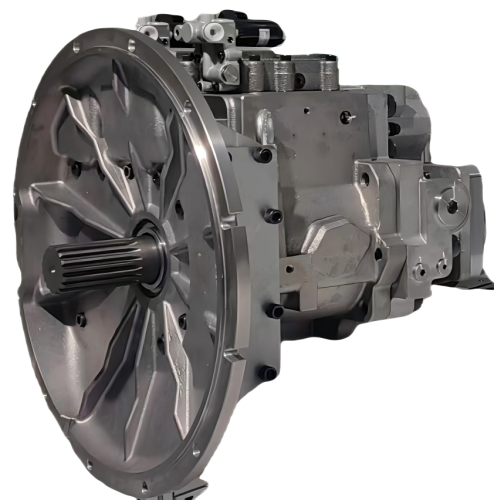
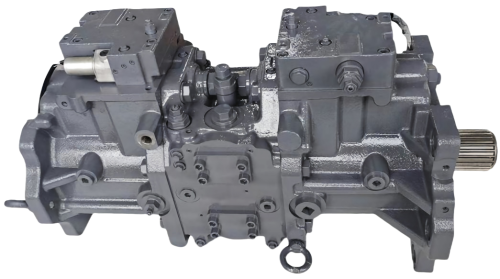
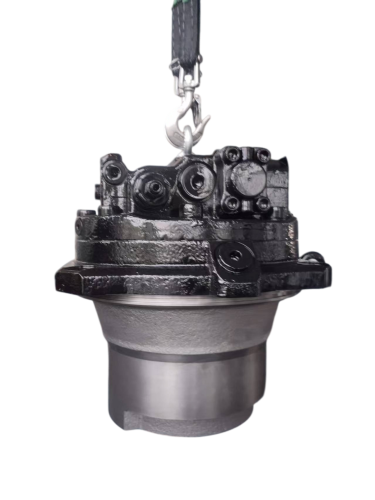
As China’s construction-machinery industry upgrades, large excavators are used more widely in mining, infrastructure and heavy earthwork. In step with the machine market, the aftermarket for core hydraulic parts — high-pressure pumps, motors and main control valves — is changing as well.
As China’s construction-machinery industry upgrades, large excavators are used more widely in mining, infrastructure and heavy earthwork. In step with the machine market, the aftermarket for core hydraulic parts — high-pressure pumps, motors and main control valves — is changing as well.
Large-excavator hydraulics once depended heavily on imported brands. As domestic components have improved in materials, machining accuracy, sealing, testing and reliability control, substitution is moving from OEM fitment into repair and aftersales.
Large excavators spend long hours at high load, high pressure and in difficult environments. Their hydraulic systems work much harder than those on ordinary machines.
When users replace a pump, motor or valve, price is no longer the only question. They look harder at:
Price alone will not carry domestic hydraulics into the large-excavator aftermarket. Consistency and reliability are becoming the real contest.
Against some imported parts, the domestic advantage in the aftermarket is lead time, easier repair and the ability to customize.
For mines, contractors and repair shops, a large excavator standing idle is an expensive loss. Waiting too long for imported parts directly cuts machine availability.
A domestic hydraulic supply chain sits closer to the local market. It can respond quickly to different machines, duty cycles and repair needs, with more flexibility in model matching, technical support and later service.
On some older machines, OEM imported parts already mean long lead times, high prices, or discontinued models. That has opened more room for domestic substitutes.
A large-excavator hydraulic part is not a drop-in replacement just because the mounting dimensions match.
Machines differ in the pressure, displacement, flow, speed, control method and response they require. A poor match can mean slow motion, heat, lost efficiency, or early component failure.
The aftermarket is moving from “same model number” to “matched performance”.
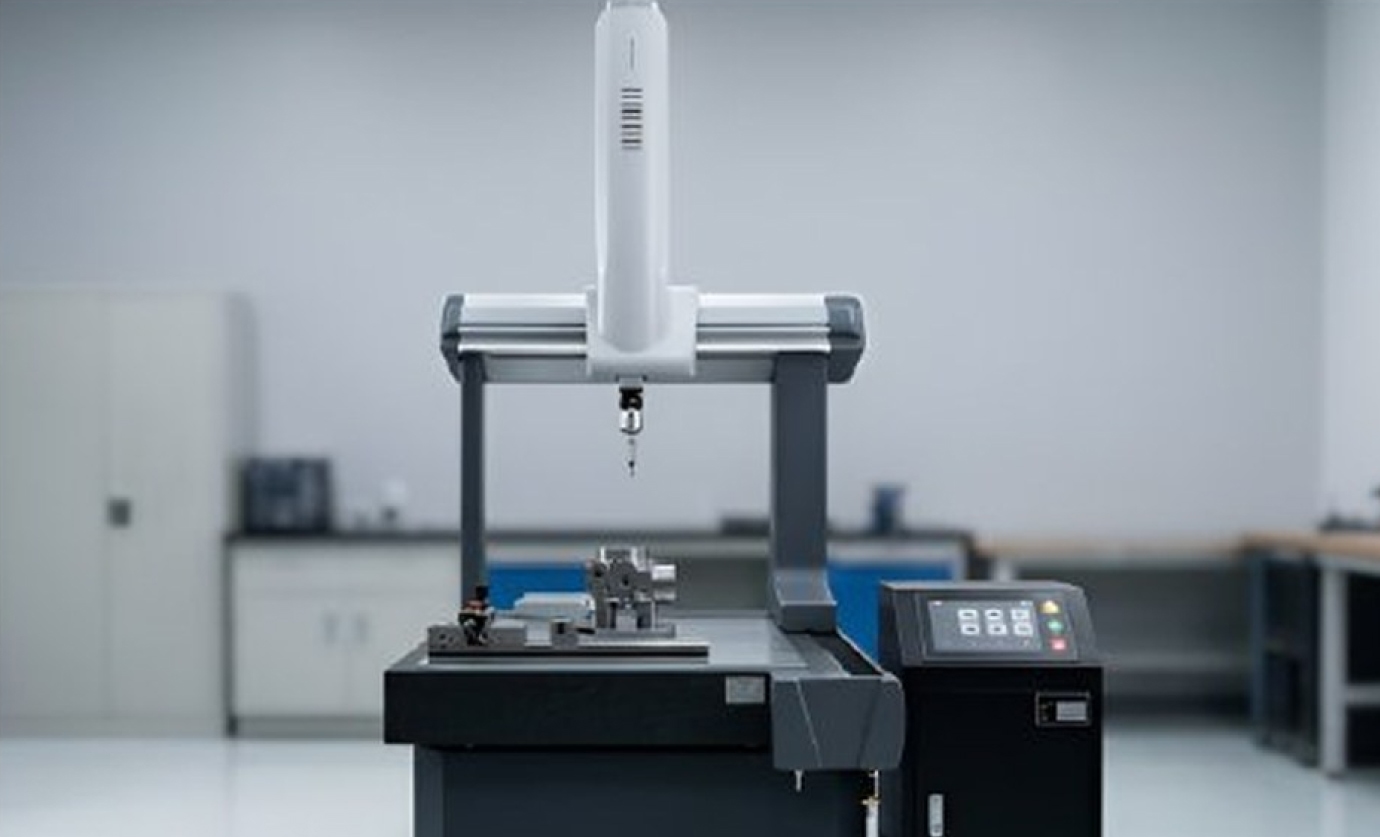
Before pumps, motors and other core hydraulic components reach the market, a professional test bench can verify pressure, flow, speed, torque, efficiency and durability, and give domestic substitution a reliable data basis.
Whether domestic hydraulics can stay reliable on large excavators depends heavily on how thoroughly they are tested before they leave the factory.
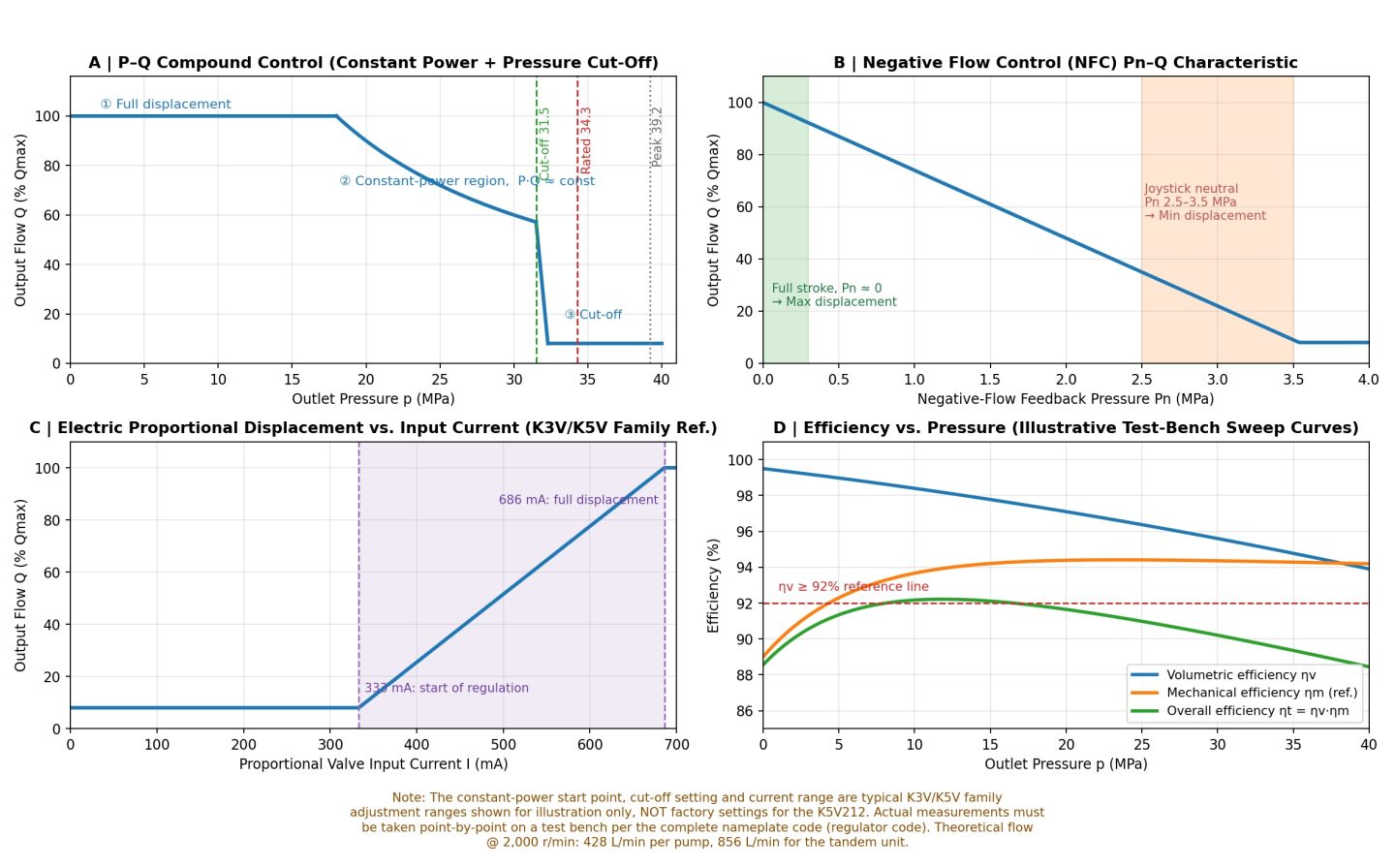
A hydraulic test bench can reproduce real machine conditions, test a product across pressure, speed and load, and record a complete performance curve.
A pump can be tested for pressure, flow, volumetric efficiency and power. A motor can be tested for speed, torque, efficiency and stability under different loads.
These data show problems that appear under high pressure and heavy load, and they guide matching for different excavator hydraulic systems.
For hydraulic manufacturers, a solid test capability is becoming a condition of entry into high-end construction machinery.
As domestic parts improve, the large-excavator aftermarket is settling into three lanes: OEM parts, imported substitutes, and high-quality domestic substitutes.
Buyers are also choosing more carefully.
For critical equipment, users still care about reliability and service life. Once performance is met, domestic hydraulic parts with shorter lead times, fairer cost and faster technical support are winning more applications.
Competition in large-excavator hydraulics will move beyond price toward performance, test capability, system matching and aftersales service.
Domestic substitution is not a simple swap of an imported part. It means raising design, manufacturing, testing and quality control until domestic hydraulics can serve high-end machinery reliably.
For hydraulic manufacturers, a complete test and validation system lets products be checked thoroughly before they reach the market, and gives customers performance data they can trust.
As domestic hydraulic technology keeps advancing, the aftermarket for large-excavator parts will keep shifting. Reliability, fast delivery and professional technical service will be the main competitive ground.
Company milestones and developments across the hydraulics industry.

We focus on hydraulic products and support for mining equipment. Contact us and we will match you with the right technical support.
Room 301, Building 1, No. 553 Shanwanghe Road, Qingdao Free Trade Zone, Shandong, China
Monday–Saturday, 8:00–17:00